
before you fund it.
- Overview sessions — get a deep understanding of how the business works
- Reports — detailed research and analysis on market, regulations, technical and financial aspects
- Location analysis — find the right location for your plant with deep data analysis across 4,000+ industrial areas
- RFQ tool — compare vendor quotes, find the missing points, and filter the right one for you
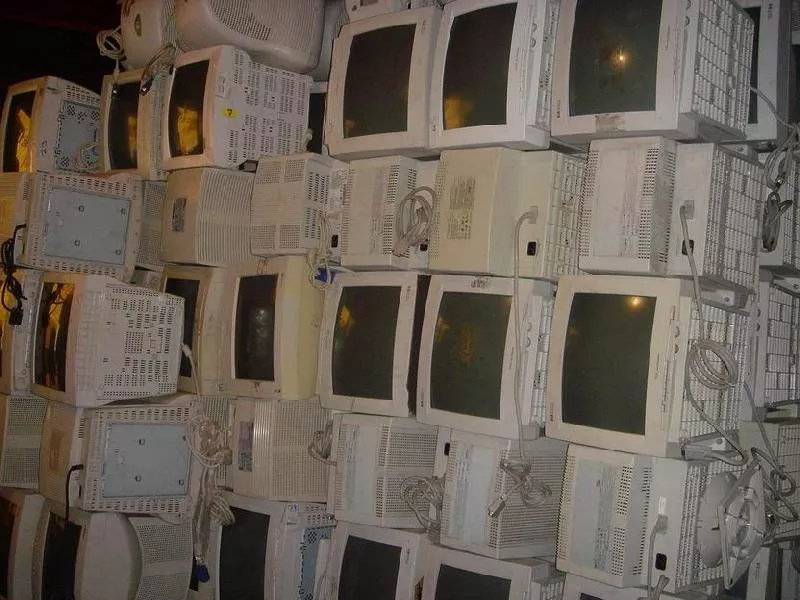
Desktop Scrap
Sanjari RecyclingDesktop e-waste refers to discarded electronic components and devices that were once part of desktop computers. As technology advances at a rapid pace, desktops become obsolete, leading to the generation of electronic waste. This category of e-waste encompasses a variety of components and peripherals that were integral to the functioning of desktop systems.
Desktop e-waste includes items such as central processing units (CPUs), motherboards, graphics cards, memory modules (RAM), hard drives, power supplies, optical drives, and various cables. Additionally, peripherals like keyboards, mice, monitors, and speakers contribute to the desktop e-waste stream when they are no longer in use or have become outdated.
The composition of desktop e-waste poses environmental challenges due to the presence of hazardous materials such as lead, mercury, cadmium, and brominated flame retardants. Proper disposal and recycling of desktop e-waste are crucial to mitigate the environmental impact and reduce the risk of these hazardous substances leaching into the soil and water.
Efforts to manage desktop e-waste involve recycling initiatives that aim to recover valuable materials like metals, plastics, and glass. Responsible disposal practices also help prevent the release of harmful substances into the environment and promote the reuse of functional components. As technology continues to evolve, the proper handling of desktop e-waste becomes increasingly important in creating a sustainable and eco-friendly approach to electronic consumption and disposal.
